Responsible tide-pool observation
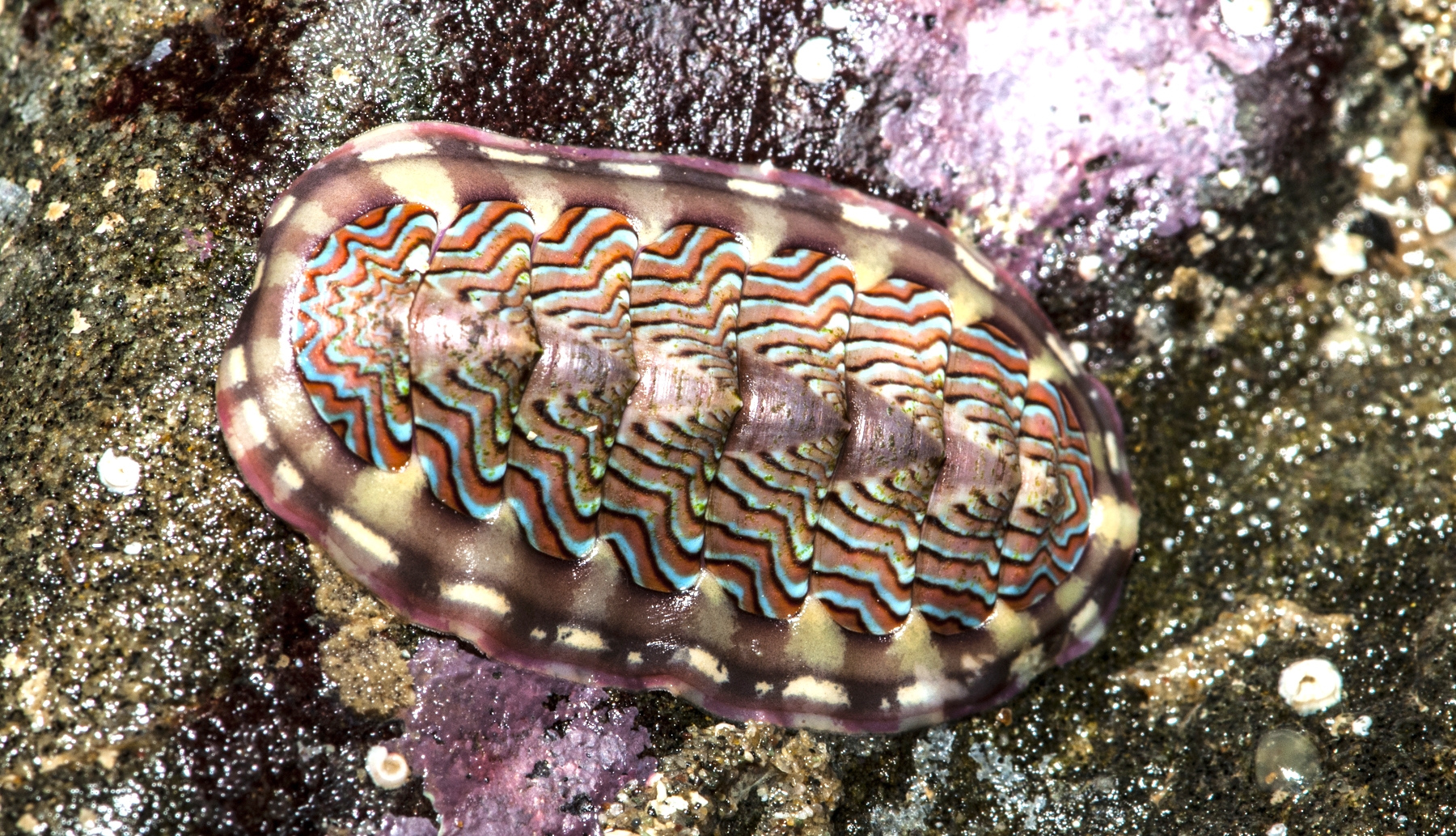
A tide pool is a working habitat, not a display. Everything in it is in the middle of a hard day: holding moisture, gripping the rock, waiting for the water to return. Careful observation leaves the pool exactly as it was; careless handling can kill animals that look indestructible. These practices keep a visit low-impact.
Move slowly and watch first
Most of what makes tide pools interesting happens when you stop and wait. Anemones reopen, snails resume grazing, small fish and shrimp emerge from cover. Stand or crouch beside a pool for a few minutes before reaching for anything, and you will see far more than you would by turning rocks over.
Look, do not pry
Animals such as chitons, limpets, and sea stars clamp hard to the rock as a defence. Pulling them off can tear the muscle that holds them and leave them unable to re-attach before a predator or the drying sun finds them. The rule is simple: observe in place, and never detach a living animal from its surface.
If you turn a rock, turn it back
The underside of a loose rock is its own shaded habitat. If you lift one to look, replace it the same way up, in the same spot, gently. Leaving rocks overturned exposes the shaded community to sun and predators and can wipe out everything that was sheltering there.
Watch where you step
On a crowded shore the biggest impact is often underfoot. Barnacles, young mussels, and seaweed holdfasts cover the rock, and a single careless route can crush a great deal of life. Step on bare rock and sand where you can, avoid dense beds of animals, and keep to obvious paths.
Leave the pool full and intact
- Return any animal you examined to the exact spot and orientation you found it.
- Do not move animals between pools — conditions and neighbours differ from one pool to the next.
- Take nothing living, and leave shells and seaweed in place; they are food and shelter for others.
- Pack out everything you bring, and pick up litter if it is safe to reach.
Know the local rules
Many Canadian coastlines fall within national or provincial parks, marine protected areas, or Indigenous-managed waters, and these can carry specific rules about collecting and disturbance. Parks Canada and provincial agencies post guidance at many access points. When in doubt, treat the shore as protected and take only photographs.
A short field checklist
Check the tide and forecast. Wear footwear with grip. Watch each pool before touching anything. Keep animals attached and in place. Turn any lifted rock back. Step on bare ground. Carry out all litter. Leave with photos and notes, nothing more.
Sources and further reading: visitor and stewardship guidance published by Parks Canada and Fisheries and Oceans Canada. Local advisories take precedence over general guidance.